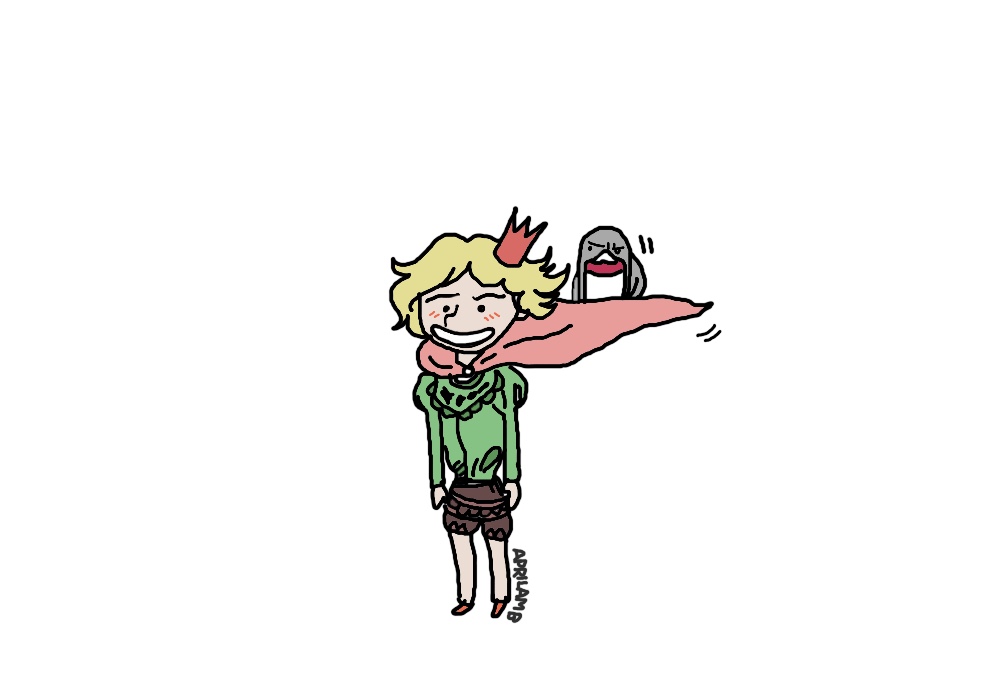
Oscar Wilde said it best.
To live is the rarest thing in the world. Most people exist, that is all.
He surely thought of himself as someone truly ‘living’. Otherwise, he wouldn’t have uttered such words. When I first heard that sentence, I felt arrogance oozing between the words, much like when I read his fairy tale ‘The Happy Prince’. ‘The Happy Prince’ is a heartwarming tale of a statue of a prince on a town tower—not even a person—overlooking and giving away its ornaments through a swallow to help the struggling townsfolk. Yet, as I witnessed the benevolent prince’s deeds, I couldn’t shake off a certain unease. It felt like this:
When you taste something delicious, but say, ‘It’s good, but…’
Or when you know a kid is nice but think, ‘Well, but…’
Again, it’s undoubtedly a beautiful fairy tale. However, I found the prince, who seemed to think he was the only one capable of overseeing the world, a tad off-putting, and the swallow, naturally exploited for this arrogance, quite pathetic. Most of all, the story was wrapped so beautifully that it seemed to block any criticism at its core. A tale designed to ward off any blame, perhaps?
Maybe I’m looking at a tale that guided many children to goodness with a cynical lens. Am I the one being shallow? Thinking about it makes me feel a tad guilty, so I decided to search for some of Oscar Wilde’s good deeds online, only to stumble upon another of his famous quotes:
It is better to be beautiful than to be good. But it is better to be good than to be ugly.
Seems like my instincts were right all along.
Leave a Reply