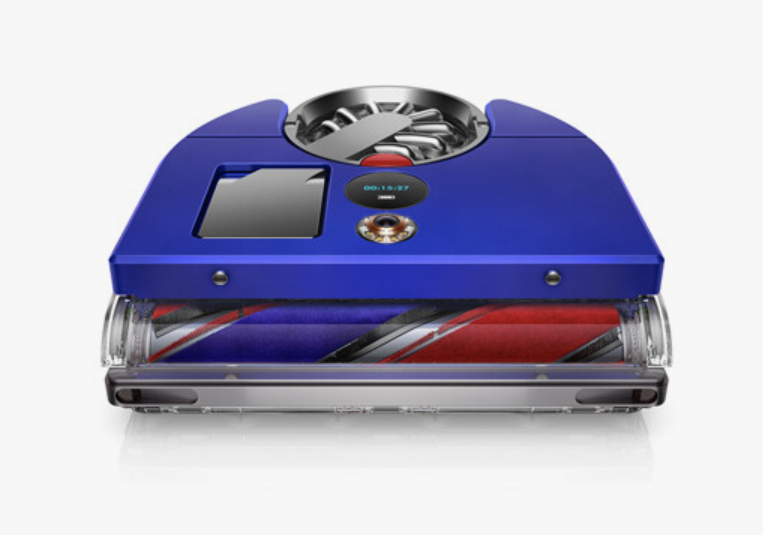
Today, let me spill the beans on a certain robot vacuum: the Dyson 360 Vis Nav. 🤖
I used to have a trusty robot vacuum for over a decade. It was so reliable in its daily cleaning routine that I even named it ‘Edward’. But as time went on, it started to struggle, and eventually, it couldn’t even charge anymore. 😔
So, I decided to bring in Edward II, and that was the new Dyson model. I chose it because it looked nice, but its features were quite impressive too. It boasts a 360-degree visual navigation camera for intelligent cleaning. True to Dyson’s reputation, it’s got amazing suction power—so much so that two of the three main features on their homepage are all about suction! (Though it’s a bit noisy) Plus, it’s got a high-performance processor for mapping and learning. How cool is that? 😎
To dive a bit deeper, this 360-degree vision system collects environmental data smartly and maps out your home’s layout and furniture. This allows it to designate quiet zones, turn off the brush bar motor when cleaning rugs, and even set climb or no-go zones. It can also map dusty areas and automatically boost suction power. 🌟
The core idea is that it uses the metadata gathered from the 360-degree vision system to fully understand your home’s layout and link it with suction adjustment to carry out those complex functions. Writing this makes me wonder how it works when specific spots are set as ‘quiet’ or ‘dusty’, but since it’s never worked properly, I haven’t even thought about trying. This is the reality.
I’ve rarely seen it finish a complete cleaning.
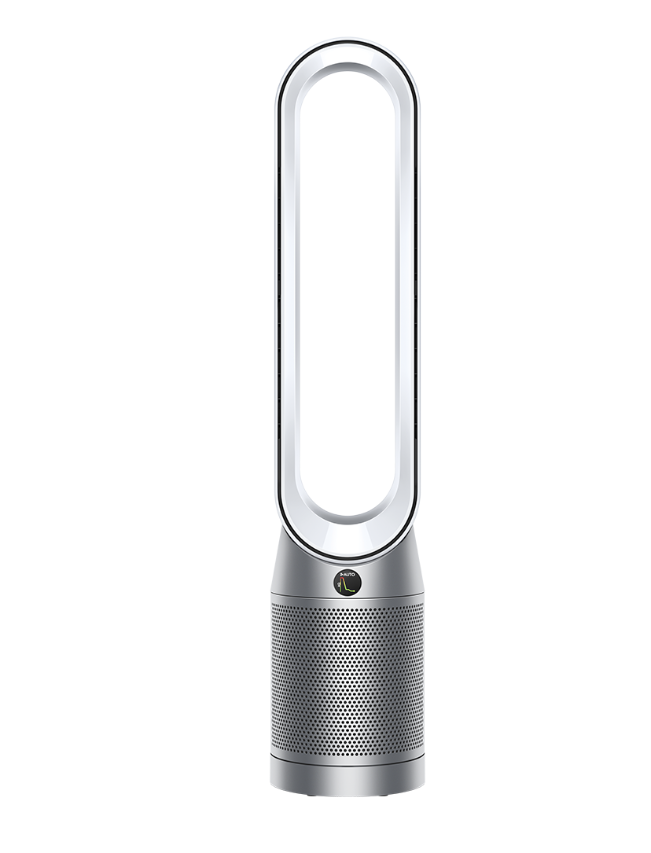
Honestly, I’ve never seen such a lousy robot vacuum before. (I’ve only used two, though) Even the humble robot vacuums from ten years ago could clean every nook and cranny. This one, however, starts cleaning, bumps into a few obstacles (like chair legs), spins around them like a dizzy person, and then returns to its dock. (Amazingly, it displays a ‘cleaning complete’ message) I’ve set the balcony and entrance as no-go zones, but I’ve lost count of how many times I’ve found it drained and stuck there when I come home. Even more often than my over-decade-old Edward. It’s like someone programmed it with data from an early dementia patient. When I look at the cleaning map, it’s laughable. It uploads a map showing less than a quarter of the house cleaned and returns to the dock as if mocking me. And this costs 1.7 million won… It feels like a bigger waste of money than the Dyson cool air purifier (which is laughably called a fan, yet its breeze is weaker than a kid fanning themselves). 💸
Moreover, despite its high-performance processing, learning, and intelligent features—whether algorithmic or deep learning-based—it moves around like it’s using AI, which, while not exactly a downside, is unsettling. When it finishes cleaning one area, it stops its suction to move to another zone. It feels like someone pausing to prepare for the next task, which is oddly eerie. A few days ago, while cleaning, it stopped its suction and slowly moved (to clean my room). It came up to my room’s entrance, faced me, and stood still for about 10 seconds. What’s it hesitating about? Is it contemplating whether to clean? The thought it might be watching me gave me chills. You’ve got a 360-degree camera on your back! Are you sending my footage to another planet? 👽
This device turns on LEDs to illuminate its path when it gets a bit dark, which is quite unsettling. It looks spooky in the evening, and sometimes it suddenly shines a high beam my way. It’s like when a detective shines a light in your eyes and says,
“Are you going to tell the truth or what?”
But I’ve got nothing to say to a robot! Who wrote your moving algorithm code anyway? I’d love to grab them by the collar and ask. How advanced is this AI that it even ignores no-go zones? Are you Neo from the Matrix? I wish I could just see that code. I’m curious. I’d love to improve it. But seriously, I just want it to clean properly. With tech companies’ AI surpassing human averages, how could they think of selling such a sluggish algorithm? Wouldn’t a simple algorithm that turns 90 degrees when hitting an obstacle achieve a better clean area? Folks, making money is this easy. Or maybe I’m the only sucker who bought it, and it didn’t sell much. That makes it even more frustrating. Anyway, I don’t recommend this.
Leave a Reply