‘Are you into stuff like this?’
My friend handed me a ticket to the National Geographic special exhibition ‘Photo Ark: A Haven for Animals’ and asked. They got it from someone involved in the exhibition but didn’t have the time to go. Although the exhibition venue at the Yongsan War Memorial is quite a trek, the monkey printed on the ticket was cute, and I had nothing special planned for the weekend.
‘Thanks a ton.’
I accepted it eagerly. No shame at all.

The exhibition’s creator, Joel Sartore, has been capturing animals for over a decade, starting with those close to him, and has photographed around 7,000 species so far. He calls this project ‘Photo Ark,’ aiming to showcase the Earth’s crisis and draw people’s attention before it’s too late.
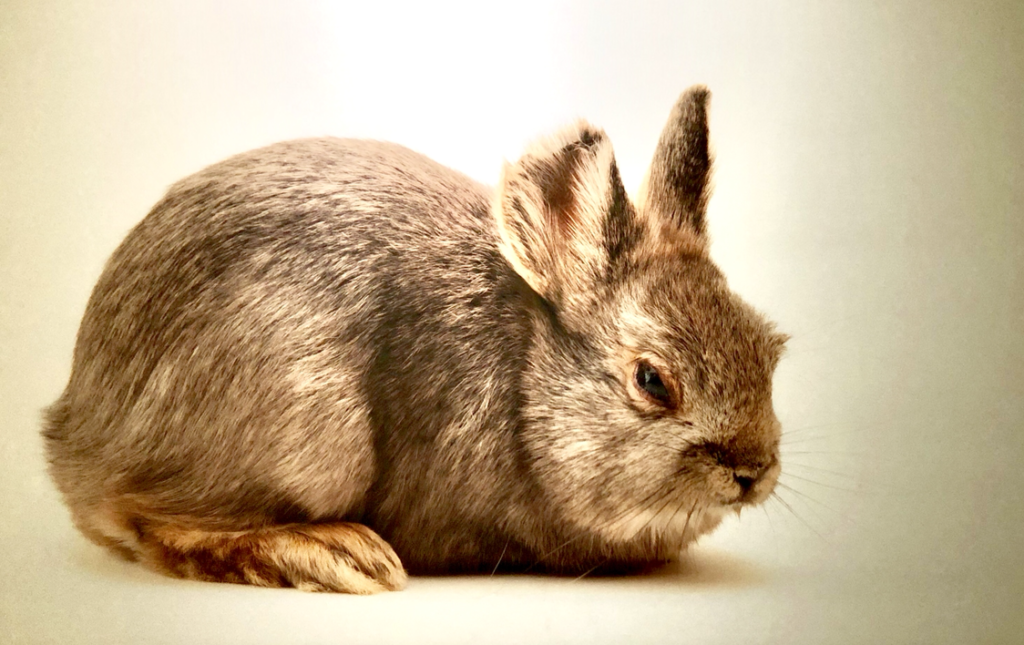
The exhibition is filled with studio portraits of various animals, all looking so gentle and kind that just looking at them was heartwarming. As I wandered around, I stumbled upon an adorable rabbit photo. Its slightly sleepy, gentle eyes and the barely visible tips of its front paws were simply too cute. Curious about its name, I checked the section title, only to find it terrifyingly labeled as ‘The Last Survivors of Extinct or Soon-to-Be Extinct Species.’ Chance encounters with this rabbit in the wild? Dream on! Thinking about it made me unexpectedly melancholic, wrapped in a sense of the world’s end.
Back home, I searched the internet using the keyword ‘extinction’ and stumbled upon an article on the National Geographic site titled ‘Can Genetic Engineering Bring Back Extinct Animals?’ It was an interview with science writer Maura O’Connor, author of ‘Resurrection Science.’ The read was fascinating, and I finished it all.
Currently, 1.5 million species are documented in academia, and scientists believe this accounts for only 10–20% of all species on Earth. According to the American journal ‘Science Advances,’ we’re in a period of rapid animal extinction, the fastest since the age of the dinosaurs. In such times, some strive to prevent extinction in their unique ways, while some scientists explore genetic engineering to revive extinct species. However, she believes it’s crucial to ponder the significance of such attempts.
In the 1970s, efforts to save the Florida Panther by exterminating its predator, the Mountain Lion, or the project to genetically resurrect the North American Passenger Pigeon, which went extinct in 1914, did not yield rosy results. Such efforts often led to more extinctions or failed to consider the changed ecological dynamics, revealing the futility of mere species restoration.
In her interview, she highlighted that many suggestions to prevent extinction don’t stem from research on the inevitable problems leading to extinction in the first place.
Behind the course of nature lies a complex biological mechanism, and tackling extinction can’t be as simple as rescuing a drowning person. Just like removing a ventilator for human dignity or respecting a DNR (‘Do not resuscitate’) order by setting down a defibrillator, perhaps we should solemnly accept the end of a species if it’s a fitting flow of nature.
Though it’s heartbreaking to see adorable animals go extinct, before leaning into the rise of ecofascism or genetic resurrection attempts that open Pandora’s box, we should take a step back and genuinely contemplate what we can do for them. 🌍✨
Leave a Reply