When I buy things, I tend to stack the boxes instead of throwing them away, so my storage room is always overflowing with boxes. Occasionally, I do try to sort out unnecessary stuff, but unlike a closet that you organize each season, the boxes just keep piling up. Honestly, the biggest reason I end up organizing the storage room is the ever-growing collection of boxes.
A few days ago, while searching for a tool, I peeked into the storage and was a bit moved by how the boxes were stacked perfectly, like a Tetris masterpiece without any gaps. Although it looked cool, I hurt my back twisting around to pull out a toolbox buried behind the boxes, realizing it was time to sort them out. So, I dragged all the boxes into the living room and started dismantling them one by one, and stumbled upon a masterpiece worth a second round of admiration.
The masterpiece was the inner paper stand of a Sony laptop box. It unfolded like the head of a Transformer, intricately designed yet complex, transforming into a single rectangular sheet of corrugated cardboard with not even a tiny hole! I couldn’t fathom the kind of brainpower and simulation needed to design something like that.
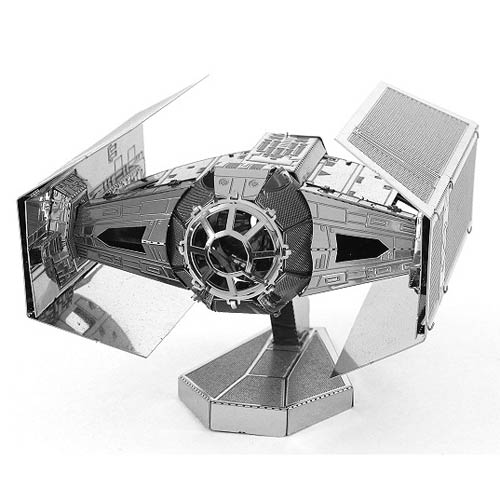
On the cardboard, there was a manual printed showing how to fold and combine it, but even with the guide, I doubt I could fold it back correctly. The laptop’s interior wasn’t as impressively designed as that stand. Even the Metal Works Star Wars kit, which I thought was mind-blowing, seemed like a child’s play compared to this.
The designer surely must be world-class in spatial perception, and if they had taken an IQ test in high school, the teacher would have had to call them in for a chat.
Nakamura, your spatial perception is the best in humanity. You should grow up to design laptop box stands!
Perhaps with the teacher’s sharp advice, that student gave up on college and became the world’s most renowned designer of laptop box corrugated stands. I’m not sure if it really needs to be that intricate, but hey…
Leave a Reply